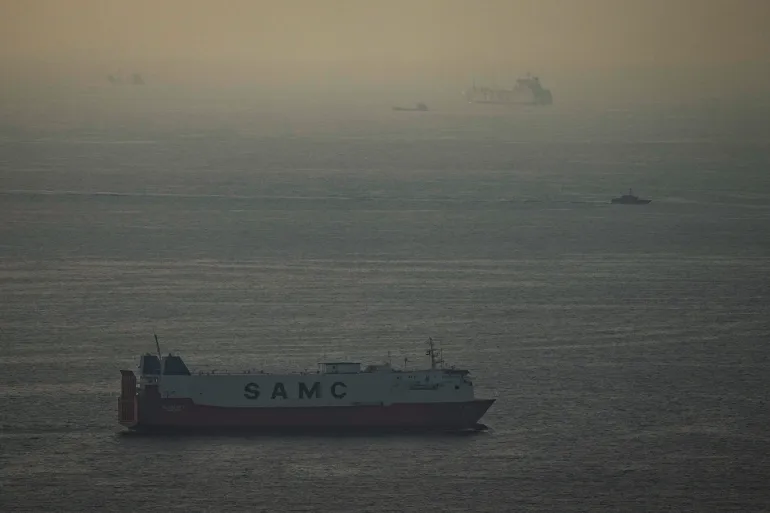
Amid the ongoing Iran–Israel conflict, Iran has clarified that the Strait of Hormuz is not completely closed. Instead, it has adopted a selective approach, allowing only “non-hostile” ships to pass through the critical waterway.
According to Iranian officials, vessels that are not associated with countries considered adversaries—such as the United States or Israel—may transit safely, provided they coordinate with Iranian authorities and follow required guidelines.
This policy reflects a shift from earlier threats where Iran had warned of blocking all maritime traffic. Now, a permission-based or controlled passage system is being implemented, where only approved ships—often from neutral or friendly countries like India, China, or Japan—are allowed through.
Despite this limited opening, the situation remains highly tense. The Strait of Hormuz, which carries about 20% of the world’s oil supply, is still heavily disrupted, with many ships avoiding the route due to risks such as attacks, mines, and military activity.
There have also been incidents where ships were denied entry or turned back for not complying with Iran’s rules, highlighting the strict control being enforced in the region.
Overall, while Iran claims the strait is open for safe passage, in reality it is operating under tight restrictions, making global trade and energy supply uncertain and vulnerable.