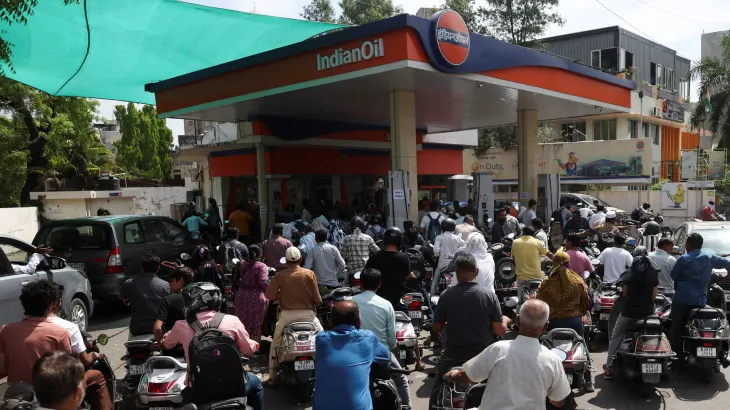
As fears of fuel shortages spread across parts of India, large numbers of people rushed to petrol stations, resulting in long queues and congestion. In states like Gujarat, the situation became intense enough that police were deployed at fuel stations to control crowds and ensure smooth operations.
The panic was largely driven by rumours, many of which were circulating on social media, suggesting disruptions in fuel supply due to the ongoing West Asia conflict. This led to sudden spikes in demand, with people trying to fill their tanks in advance.
Authorities and oil companies repeatedly assured the public that fuel supplies remain stable and there is no actual shortage. Officials warned that panic buying itself could create temporary disruptions and unnecessary pressure on supply chains.
Police presence helped regulate traffic, manage crowds, and prevent chaos at fuel stations. Governments also urged people to rely only on verified information and avoid spreading misinformation.
Overall, the situation highlights how quickly rumours can trigger public panic, even when supply systems remain stable, especially during times of global uncertainty like the ongoing West Asia conflict.