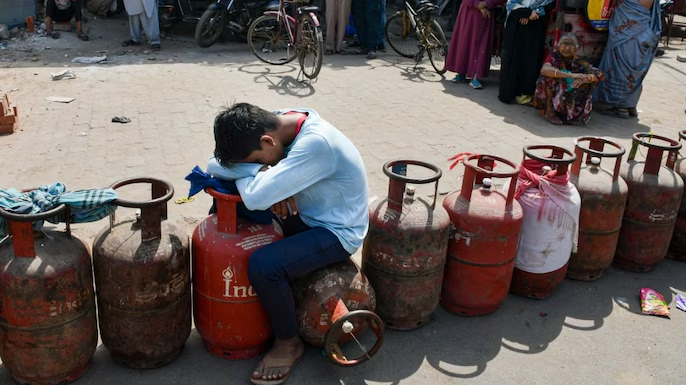
The ongoing conflict in the Middle East, particularly involving Iran, has started to directly impact daily life in India. One of the biggest effects is being seen in the supply of LPG (cooking gas) cylinders, which are becoming scarce in many parts of the country.
The root of the problem lies in the disruption of global energy supply routes, especially the Strait of Hormuz. This route is extremely important because a large portion of the world’s oil and gas passes through it. Due to tensions and attacks in the region, many ships carrying fuel—including LPG—are either delayed or stuck, leading to supply shortages.
India is highly dependent on imports for LPG, with a major share coming from the Middle East. Because of this dependency, any disruption in that region immediately affects availability in India. Reports suggest that nearly 90% of LPG imports rely on this route, and a significant portion of supply has been impacted due to the crisis.
As a result, LPG consumption has dropped sharply, and supply has become irregular. Many households are facing delays in cylinder delivery, while businesses like restaurants, hostels, and small food vendors are struggling to operate. In some places, eateries have even reduced their menu or shut down temporarily because they don’t have enough cooking gas.
The shortage is also affecting other sectors. Industries that rely on LPG are being forced to cut down usage, as the government is prioritizing supply for households and essential services like hospitals. People are also being advised not to panic-book cylinders and to switch to alternatives like piped gas where possible.
In addition to supply issues, prices of LPG and other fuels are also fluctuating due to the global rise in oil prices caused by the conflict. This is increasing the cost of daily living, as even small businesses are forced to raise prices of basic items like tea and snacks.
To manage the situation, the Indian government is increasing domestic LPG production, prioritizing essential services, and exploring alternative energy options. However, until global supply chains stabilize, the shortage may continue to affect both consumers and businesses across the country.