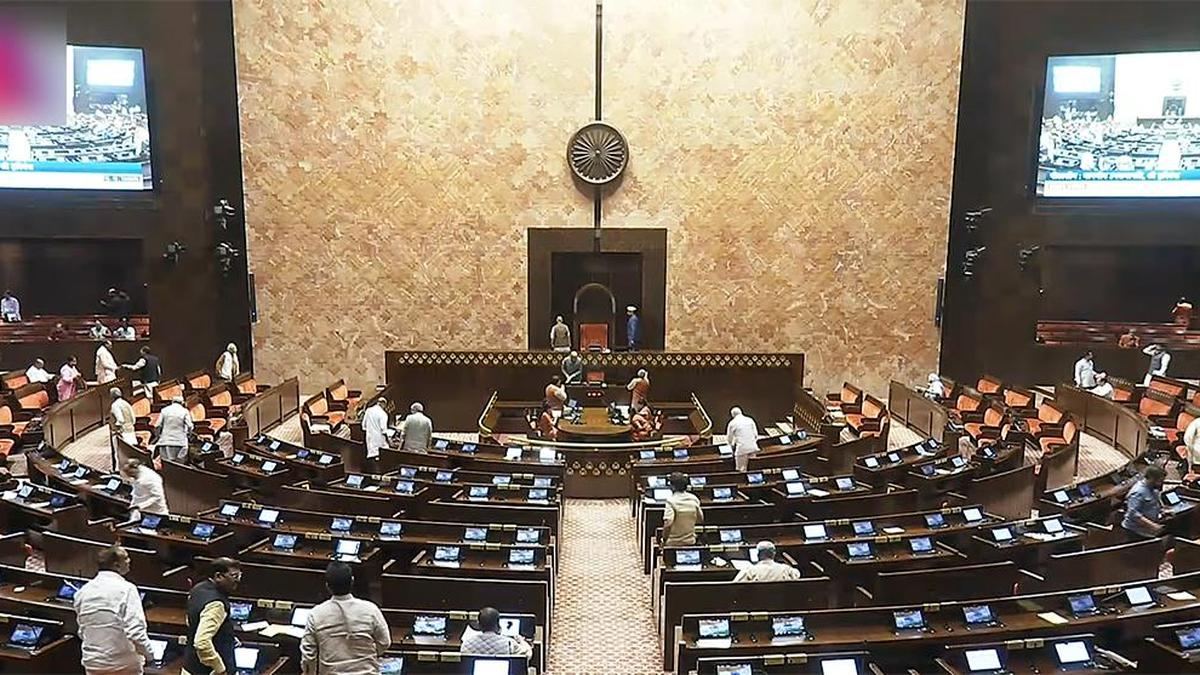
The 2026 Rajya Sabha elections are underway, with polling taking place for 37 seats that are set to fall vacant in April across 10 states including Maharashtra, Bihar, West Bengal, Tamil Nadu, Odisha, Assam, Chhattisgarh, Haryana, Telangana, and Himachal Pradesh. Members of state legislative assemblies are voting to elect representatives to the Upper House of India’s Parliament.
Rajya Sabha members are elected indirectly by elected MLAs using the proportional representation system with a single transferable vote, where legislators rank candidates according to preference. Candidates must secure a required vote quota to win a seat.
The elections have attracted significant political attention, with intense competition between the ruling National Democratic Alliance (NDA) and opposition parties grouped under the INDIA bloc. Analysts expect the results to influence the numerical strength of parties in the Rajya Sabha and potentially impact legislative dynamics in Parliament.
Polling is scheduled to take place from morning until late afternoon, with vote counting expected the same evening. The results will determine which parties strengthen their representation in the Upper House for the upcoming parliamentary sessions.