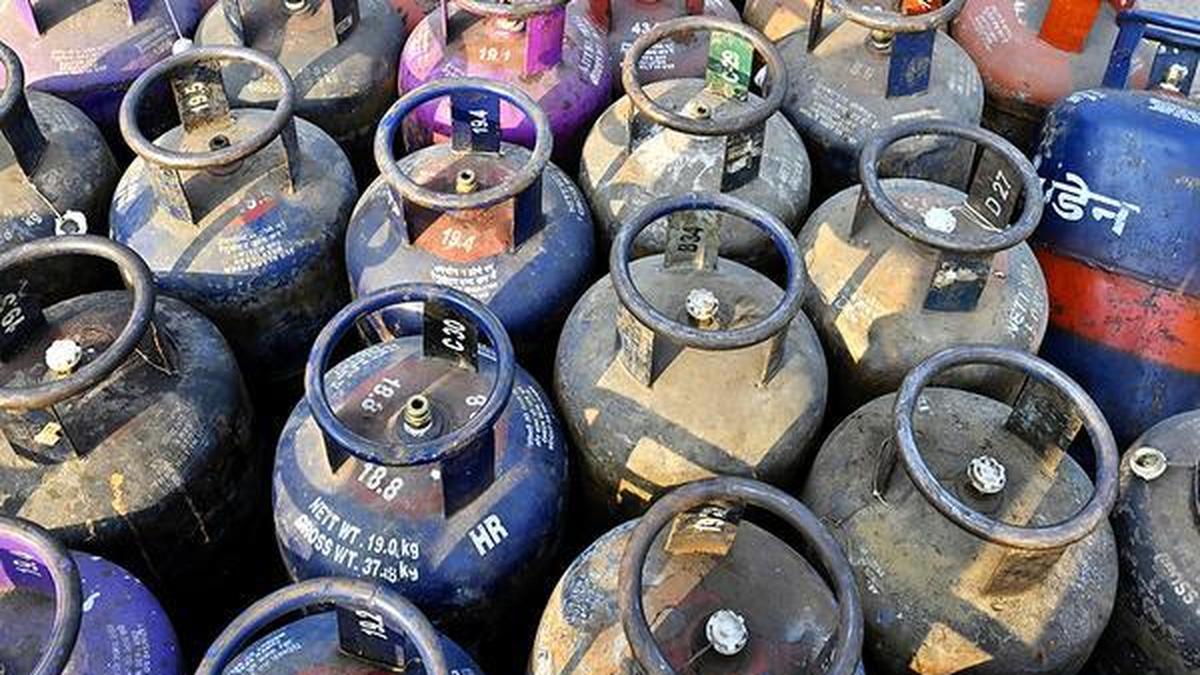
India’s LPG supply chain is under pressure as global crude oil prices surge and geopolitical tensions disrupt energy trade routes. The situation is partly connected to instability in the Middle East and disruptions around the Strait of Hormuz, through which a significant share of the world’s oil and gas is transported. These developments have pushed energy prices higher and raised concerns about fuel availability in importing countries like India.
In several cities, delays in LPG cylinder deliveries have been reported due to panic bookings and temporary supply restrictions aimed at preventing hoarding and black-marketing. Waiting times for domestic gas cylinders have increased in some regions, while commercial cylinders used by restaurants and businesses are experiencing more severe shortages. In certain cases, businesses have had to reduce operations or switch to alternative cooking methods such as electric stoves.
Despite these concerns, government officials have stated that the country’s crude oil supply remains stable and that LPG distribution is being prioritized for household use. Authorities have also warned against panic buying and are monitoring the market to prevent illegal resale or hoarding of cylinders.
The situation highlights India’s heavy dependence on imported energy resources and the vulnerability of domestic fuel supplies to global geopolitical developments. Experts warn that prolonged disruptions in oil and gas supply could increase inflation, pressure the economy, and affect everyday life for consumers and businesses across the country.